Halal living
What makes a dessert halal? Gelatine, alcohol, rennet and E numbers explained
Most of what goes into a dessert is never in question. Here is the short list that is, how to find it on a UK label, and where scholars disagree.
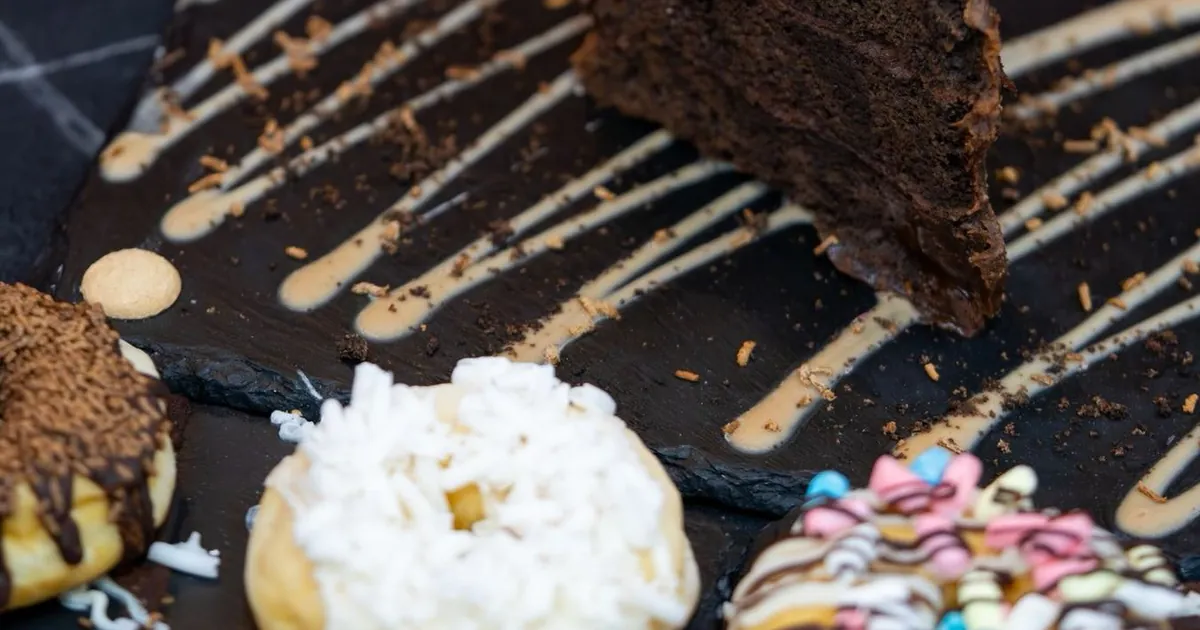
A dessert is halal when everything in it is permitted, and most of what goes into one is never in question. Flour, sugar, eggs, milk, cream, butter, fruit, nuts and cocoa raise no doubt in any of the sources cited here. Pork and pig fat such as lard are the plain case. What is left to check is short: gelatine, alcohol, animal rennet in the cheese, and a few additives made from insects or fats. This guide shows how each appears on a UK label and, where scholars disagree, names who holds which view, so you can follow the one your family already follows.
The ingredient areas at a glance
| Ingredient | Where it turns up | Label words |
|---|---|---|
| Animal fat | Pastry, mince pies, Christmas pudding | Lard, suet, animal fat |
| Gelatine | Jelly, panna cotta, mousse, no-bake cheesecake, marshmallows | Gelatine, and the animal named beside it |
| Alcohol | Tiramisu, trifle, Christmas pudding, vanilla extract | Wine, rum, brandy, liqueur, alcohol, flavouring |
| Animal rennet | Cheesecake, cheese-filled kunafa | Rennet, pepsin, animal enzymes |
| Additives | Pink icing, sponges, ice cream | E120, E471, E472, E422 |
Lard is pig fat, so it rules a dessert out whichever view you follow. Each of the other four rows has a point where views differ.
1. Gelatine: find out which animal it came from
Gelatine is a protein extracted from animal collagen. It sets jelly, panna cotta and no-bake cheesecake. UK hygiene law allows it to be made from cattle hides, pig skins, bones, poultry skin, and fish skin and bones, among other materials (Regulation 853/2004, Annex III).
On a label, gelatine appears as a word. Older lists online call it E441, or warn about E542 (edible bone phosphate), but neither code is on the Food Standards Agency's current list of approved additives and E numbers, and gelatine is not on it at all. Look for the word and the animal beside it: "beef gelatine", "pork gelatine" or "fish gelatine". If it says only "gelatine", the maker has to answer the question.
The sources here all accept gelatine from a halal animal slaughtered in the prescribed way. They differ over gelatine from pigs, or from permitted animals not slaughtered Islamically:
- The source decides. A Hanafi answer from Muftionline treats gelatine from both as impermissible, and so does an IslamQA.info answer from 2014.
- Transformation decides. Processing turns collagen into a new substance (istihalah), so the source no longer settles it. The 2014 answer records that the Islamic Organization for Medical Sciences adopted this view, and an earlier IslamQA.info answer, from 2011, applies it and finds nothing wrong with sweets that contain animal gelatine. Answers on that site differ by date, so check the date of any you rely on.
Fish gelatine avoids the slaughter question: a Hanafi answer on Muftisays calls it "suitable as a substitute". Plant setting agents avoid it too. Agar (E406) and carrageenan (E407) come from seaweed and pectins (E440) from fruit.
2. Alcohol: the named kind and the hidden kind
Alcohol added for flavour is usually named. Many tiramisu recipes put Marsala, rum or a coffee liqueur in the coffee or the cream. Trifle often has sherry, and Christmas pudding and fruit cake often have brandy.
The hidden kind sits in extracts and flavourings. UK law lets a flavouring appear simply as "flavouring" (Regulation 1169/2011, Annex VII), and a flavouring may contain other food ingredients added for technical reasons (Regulation 1334/2008, Article 3). Carriers used only in the amounts strictly necessary, and processing aids, do not have to appear in the ingredients list, although allergens still must (Article 20). So the word "flavouring" does not tell you what the flavour was carried in. Vanilla extract is the common case: in the United States it must by law contain at least 35% alcohol by volume (21 CFR 169.175). That is a US standard, but it shows what an extract usually is.
Baking does not remove all of it. In tests behind the USDA Table of Nutrient Retention Factors, a dish baked for 25 minutes with the alcohol not stirred in kept 45% of it, and one with the alcohol stirred in, baked or simmered for an hour, kept 25%.
On traces of alcohol, four published positions show the range:
- Darul Ifta Birmingham, a Hanafi body, holds khamr (alcohol from grapes or dates), and drinking beer or spirits, forbidden in any amount. It permits other alcohol in foods where it cannot intoxicate, and sees no harm in vanilla extract. The answer covers ingredients such as vanilla extract; it does not address rum or liqueur added on purpose.
- IslamQA.info, citing fatwas of the Saudi Permanent Committee, says alcohol must never be added to food deliberately. Food that already contains it may be eaten if no trace can be detected and a large amount would not intoxicate.
- Dar al-Ifta al-Misriyyah in Egypt permits food or drink mixed with an amount of alcohol so small that it would not intoxicate even in large quantities (istihlak), and attributes the transformation view (istihalah) to most Hanafi and Maliki scholars.
- Askimam, the fatwa service founded by Mufti Ebrahim Desai, says food containing vanilla extract is not permissible even after it has been baked or cooked.
All four treat a dessert that could intoxicate as forbidden. They part company over traces. If your household follows the strictest view, treat vanilla extract and an unexplained "flavouring" as questions for the maker.
3. Animal rennet: the cheese question
Rennet sets milk into curd for cheese. Animal rennet comes from the stomach lining of ruminants, usually cows, and may be labelled "rennet", "pepsin" or "animal enzymes". Microbial rennet is made by fermentation, for example of the fungus Rhizomucor miehei (Vegetarian Society). Pepsin can also come from pigs, though porcine pepsin is rarely used (PLoS One, 2015), so "pepsin" or "animal enzymes" without the animal named leaves the question open.
Cheese turns up in cheesecake, cheese-filled kunafa and some pastries. Mascarpone, the cheese in tiramisu, is usually set with an acid, citric acid in most cases (GEA), so the rennet question rarely arises for it.
None of the sources cited here permits rennet from a pig, and none objects to microbial rennet. The open question is rennet from a permitted animal that was not slaughtered Islamically:
- IslamQA.info sets out the split: most Maliki, Shafi'i and Hanbali scholars hold such rennet impure, while Abu Hanifah and one report from Imam Ahmad hold it pure, the view Ibn Taymiyyah favoured.
- Hanafi answers differ among themselves. SeekersGuidance says cheese made with rennet from any source other than a pig is halal, though better avoided where the source is unknown. Muftionline concludes that rennet as it is made today, from animals not slaughtered Islamically, is impermissible according to all the Hanafi imams.
- IMAM, the North American liaison office of Ayatollah Sistani, treats rennet as unlawful when it is known to come from an animal not slaughtered Islamically. Where the source is not known, the same answer says there is no problem in consuming it.
4. Additives: the few E numbers worth knowing
UK law requires an additive to be listed by its job, then its name or E number, for example "colour: carmine" or "emulsifier: E471" (Annex VII). Four codes carry most of the halal questions on dessert labels.
| Code (FSA name) | Why it matters |
|---|---|
| E120 (cochineal; carminic acid; carmines) | A red colour extracted from the cochineal insect (21 CFR 73.100). Views differ, as set out below. |
| E471 (mono- and diglycerides of fatty acids) | An emulsifier made from fats. The E472 group is made from it, so the same source question applies. |
| E472a to E472f (esters of E471) | Can come from a vegetarian, synthetic or animal source. |
| E422 (glycerol) | Made from plant oils or animal fat (Darul Ifta Birmingham). In 2022 the European Food Safety Authority suggested the EU consider defining it as "obtained only from vegetable oils and fats" (EFSA Journal). That is EU advice, not UK law, so until a label names the source, ask the maker. |
On carmine, a Hanafi answer from the Darul Iftaa of Jaamia Madinatul Uloom in Trinidad holds products containing it impermissible, citing the majority view that insects are not to be eaten. The 2011 IslamQA.info answer cited above finds nothing wrong with sweets containing carmine, provided they are not harmful, because it has been transformed.
For the emulsifiers, a Darul Ifta Birmingham answer on E472 says it "can be from a vegetarian, synthetic or animal source" and advises looking for a "suitable for vegetarians" mark. The glaze E904 (shellac) raises questions this guide does not cover, so ask the maker if you see it.
How to read a dessert label in six steps
- Look for a halal mark. Marks are issued by different bodies working to their own standards, so a mark is only as good as your trust in the body behind it. A mark you trust settles most of what follows, though a household strict on traces of alcohol or on carmine may still want steps 3 and 6.
- Find gelatine, and the animal named beside it.
- Find alcohol: named drinks, the word alcohol, vanilla extract and "flavouring". Ingredients are listed by weight, most first (GOV.UK), so rum near the top makes up a large share of the dessert.
- Find cheese, rennet or pepsin, and whether the coagulant is animal, microbial or plant.
- Find lard (pig fat) or suet, which can be beef or vegetable. Beef suet raises the same slaughter question as beef gelatine.
- Check four codes: E120, E471, the E472 group and E422. The Vegetarian Society's trademark rules out the animal-derived versions of these; a maker's own vegetarian wording is the maker's claim.
Anything still open after these six is a question for the manufacturer.
Is tiramisu halal? And other desserts people ask about
Tiramisu can be halal. It is sponge fingers dipped in coffee and layered with a cream of mascarpone, egg and sugar. The question is almost always alcohol, because many recipes add Marsala, rum or a coffee liqueur, and since tiramisu is not cooked, that alcohol stays in. The mascarpone is rarely the issue, because it is usually acid-set. A tiramisu made without alcohol, from ingredients that pass the checks above, raises no ingredient question.
| Dessert | Check first | Then check |
|---|---|---|
| Cheesecake | Gelatine in set, no-bake versions | Rennet in the cheese; flavourings |
| Ice cream and gelato | Emulsifiers (E471, E472) | Gelatine; alcohol in flavours such as rum and raisin |
| Jelly, panna cotta, mousse | Gelatine | Alcohol in fruit or chocolate versions |
| Trifle | Sherry | Gelatine in the jelly layer |
| Christmas pudding, mince pies | Brandy or rum | Suet or lard |
| Pastries and tarts | Lard or animal fat in the pastry | Gelatine in set fillings |
| Pink or red icing, red velvet | E120 | Gelatine in sweets used as decoration |
| Gulab jamun, kheer, gajar halwa, kalakand, barfi | Silver leaf (vark), where used | Gelatine or flavourings in shop-bought versions |
The desi sweets are mostly milk, sugar, ghee, rice, carrot and nuts, so the question there is the decoration. Silver leaf (vark) was traditionally made by hammering silver between layers of cow or buffalo intestine, according to an Indian official quoted when India's food regulator banned animal material in silver leaf in 2016 (Vegetarian Resource Group). That is an Indian rule, so for vark on a sweet bought in the UK, ask the maker how it was made.
What to ask a cafe or dessert shop
A slice of cake bought over a counter usually comes with no ingredients list. For food sold loose, UK law makes allergen information mandatory, but not the full list of ingredients (Regulation 1169/2011, Article 44). Since October 2021, food prepacked for direct sale, such as a cake wrapped on site for a grab-and-go fridge, has needed a full ingredients list (Food Standards Agency). So read the label if it comes boxed, and ask if it does not:
- Is the whole menu halal, or only some dishes?
- Is alcohol used anywhere, including in sponges, sauces or flavourings?
- Is there gelatine in the set desserts, and from which animal?
- Is there cheese in the cheesecake or kunafa, and was it made with animal rennet?
- Are toppings and sauces bought in, and has someone checked their labels?
- Is alcohol served on the premises?
Allergies are a separate conversation: tell the staff what you need to avoid, whatever the halal answer.
Asking these questions at Cha Cha Chai
At Cha Cha Chai the whole menu is halal and no alcohol is served, and there is a halal roundel on the door. The halal page covers both. For sourcing on a particular dessert, including whether any cheese goes into the cheesecake or the kunafa items and what it is set with, ask at the counter or call 01923 940269. Current hours are on the contact page.
The counter carries milkcakes from £6.95, gelato from £2.50 a scoop, and the Sebastian Cheesecake, Strawberry Kunafa Cup and desi classics listed on the dessert bar page and the menu.
Questions people ask
What is a halal dessert?
One made only from permitted ingredients, with nothing forbidden added while it is made. Beyond pork and lard, the checks are gelatine, alcohol, the rennet in any cheese, and a few additives such as E120.
What ingredients make a dessert haram?
No source cited here permits pork, lard, or rennet or pepsin from pigs. Alcohol such as Marsala, sherry or brandy added on purpose is forbidden by Darul Ifta Birmingham and IslamQA.info. Gelatine or rennet from animals not slaughtered Islamically, carmine (E120) and traces of alcohol in extracts are contested, so it depends on the view you follow.
Can sweets be halal?
Yes. Jelly sweets and marshmallows are set with gelatine, so the question is its source. Sweets made with halal-slaughtered beef gelatine, fish gelatine or a plant setter such as agar or pectin avoid the problem. Carmine (E120) colouring is a separate question on which scholars differ.
Sources and how we checked
Menu prices and shop details come from our own menu as it stands on the date below. Facts about anything else were checked against the sources listed here. Prices and dates change, so check before you travel for something time-sensitive. If you spot something wrong, call us on 01923 940269 and we will correct it and note the date.
- Food labelling: giving food information to consumers, GOV.UK. Checked 16 October 2026. Ingredients are listed by weight, most to least.
- Regulation (EU) No 1169/2011, Article 20: omission of constituents from the list of ingredients, legislation.gov.uk (The National Archives). Checked 16 October 2026. Carriers used only in the amounts strictly necessary, and processing aids, need not be listed; allergens still must be.
- Regulation (EU) No 1169/2011, Annex VII: indication and designation of ingredients, legislation.gov.uk (The National Archives). Checked 16 October 2026. Additives are named by their job, then name or E number; a flavouring may be labelled simply "flavouring".
- Regulation (EU) No 1169/2011, Article 44: national measures for non-prepacked food, legislation.gov.uk (The National Archives). Checked 16 October 2026. For food sold loose, only allergen information is mandatory.
- Approved additives and E numbers, Food Standards Agency. Checked 16 October 2026. Published 25 June 2026; covers England, Wales and Northern Ireland. E441 and E542 are not listed, and gelatine does not appear.
- Regulation (EC) No 1334/2008, Article 3: definitions (flavourings), legislation.gov.uk (The National Archives). Checked 16 October 2026.
- Regulation (EC) No 853/2004, Annex III, Section XIV, Chapter I: raw materials for gelatine, legislation.gov.uk (The National Archives). Checked 16 October 2026.
- 21 CFR 73.100: Cochineal extract; carmine, Legal Information Institute, Cornell Law School. Checked 16 October 2026. US regulation, cited for what carmine is made from.
- 21 CFR 169.175: Vanilla extract, Legal Information Institute, Cornell Law School. Checked 16 October 2026. US standard of identity.
- Which cheeses are suitable for vegetarians and which aren't?, The Vegetarian Society. Checked 16 October 2026. Animal coagulants may be called rennet, pepsin or animal enzymes; rennet usually comes from cows.
- Mascarpone, what is it?, GEA Group. Checked 16 October 2026. Dairy equipment manufacturer's description of how mascarpone is made.
- Ruling of Vanilla Extract That Contains Trace Amounts of Alcohol, Darul Ifta Birmingham. Checked 16 October 2026. Hanafi view.
- Verdict on adding a small amount of alcohol or wine to food or drink (249339), Islam Question & Answer (islamqa.info). Checked 16 October 2026. Cites fatwas of the Saudi Permanent Committee on medicine and vinegar.
- Food mixed with alcohol, is it permissible? (fatwa 6245), Dar al-Ifta al-Misriyyah. Checked 16 October 2026.
- Vanilla extract that is added to food, and the food gets baked or cooked, are we allowed to eat it, Askimam (founded by Mufti Ebrahim Desai), via islamqa.org. Checked 16 October 2026.
- Is Gelatine Halal?, Muftionline, via islamqa.org. Checked 16 October 2026. Hanafi view.
- Is Gelatin Halal? (219137), Islam Question & Answer (islamqa.info). Checked 16 October 2026. Answer dated 2014.
- Are Carmine and Gelatin Halal? (162658), Islam Question & Answer (islamqa.info). Checked 16 October 2026. Answer dated 2011.
- What is the ruling of carmine (E-120)?, Darul Iftaa, Jaamia Madinatul Uloom (Trinidad), via islamqa.org. Checked 16 October 2026. Hanafi view.
- Is it permissible to consume rennet (enzymes) used in cheese production?, IMAM (Imam Mahdi Association of Marjaeya), liaison office of Ayatollah Sistani in North America. Checked 16 October 2026. Shia view, following Ayatollah Sistani.
- Is E472 Halal?, Darul Ifta Birmingham, via islamqa.org. Checked 16 October 2026. Hanafi view.
- High Pressure Homogenization of Porcine Pepsin Protease: Effects on Enzyme Activity, Stability, Milk Coagulation Profile and Gel Development, PLOS One. Checked 16 October 2026. Shows that pepsin can come from pigs.
- Trademark Criteria, The Vegetarian Society. Checked 16 October 2026. Excludes gelatine, animal rennet, insects and other slaughter by-products. Does not name carmine or alcohol.
- Is Animal Rennet Halal? (2841), Islam Question & Answer (islamqa.info). Checked 16 October 2026. Answer dated 1998.
- Is rennet in cheese halal or haram to consume?, SeekersGuidance (Shaykh Ilyas Patel), via islamqa.org. Checked 16 October 2026. Hanafi view.
- The preferred opinion in the Hanafi Mazhab regarding the cheese produced from rennet, Muftionline (Mufti Zakaria Makada). Checked 16 October 2026. Hanafi view.
- Prepacked for direct sale (PPDS) allergen labelling changes for restaurants, cafes and pubs, Food Standards Agency (on GOV.UK). Checked 16 October 2026. From 1 October 2021, food prepacked for direct sale needs a full ingredients list.
- Is it halal to consume Sevenseas cod liver oil capsules made of gelatine?, Muftisays (Mufti Abdullah Patel), via islamqa.org. Checked 16 October 2026. Hanafi view.
- Is Glycerine Derived From Animals Halaal?, Darul Ifta Birmingham, via islamqa.org. Checked 16 October 2026. Cited for the plant or animal origin of glycerol.
- Follow-up of the re-evaluation of glycerol (E 422) as a food additive, EFSA Journal (EFSA Panel on Food Additives and Flavourings). Checked 16 October 2026. Published June 2022, doi 10.2903/j.efsa.2022.7353. Panel recommended considering a definition limited to vegetable oils and fats. EU advice, not UK law.
- Silver leaf (VRG Blog, 15 August 2016), The Vegetarian Resource Group. Checked 16 October 2026. Quotes an unnamed Indian official (via the Times of India) on the traditional method, and reports FSSAI's ban on animal-origin material. Secondary source.
- USDA Table of Nutrient Retention Factors, Release 6, US Department of Agriculture, Agricultural Research Service. Checked 16 October 2026. December 2007. Alcohol retained: 45% baked 25 minutes not stirred in; 25% stirred in and baked or simmered 1 hour.
- About us, Imam Mahdi Association of Marjaeya (IMAM). Checked 16 October 2026. Describes IMAM as the liaison office of Ayatullah Sayyid Ali al-Sistani in North America.
Written and checked by the team at Cha Cha Chai Northwood Hills, a halal cafe and dessert bar at 56 Joel Street. We are a business and this guide mentions our own menu. Nobody paid to be included.